
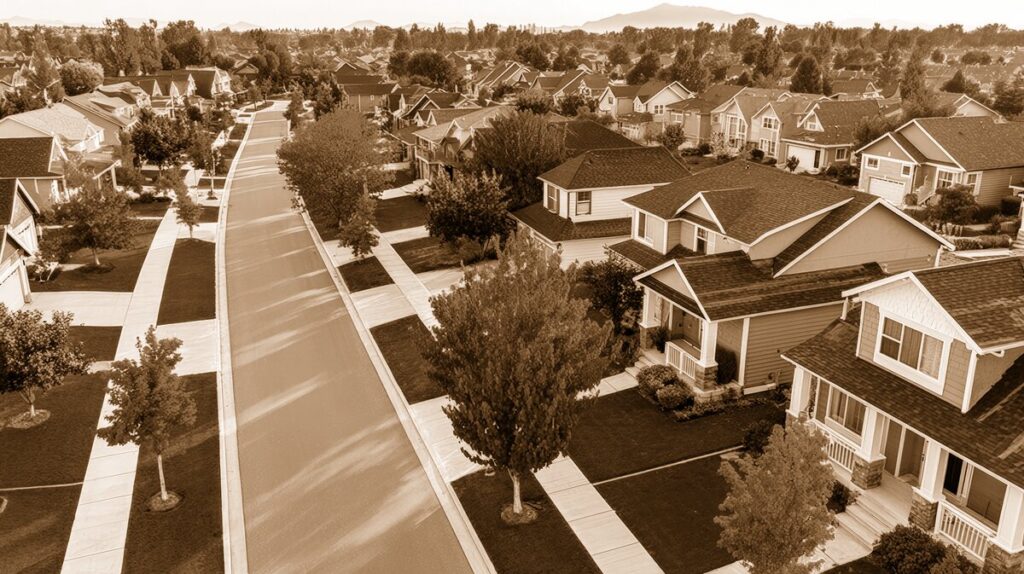
Few neighborhoods in Augusta, Georgia, evoke such a strong sense of place and history as Jamestown. Tucked between busy thoroughfares and flanked by familiar landmarks, Jamestown is more than just a collection of streets—it is a living tapestry woven from decades of heritage, resilience, and community spirit. For those who call it home, and for newcomers eager to learn, the story of Jamestown is one worth sharing.
Origins: A Community Emerges
The origins of the Jamestown neighborhood can be traced back to the early 1960s, during an era of rapid suburban development across Augusta. Like many areas developed in this period, Jamestown offered families an affordable yet attractive place to establish roots, characterized by sturdy brick ranch homes and tree-lined avenues.
The name “Jamestown” is a nod to American heritage—likely inspired both by the first permanent English settlement in Virginia and a desire to reflect stability, growth, and new beginnings. Residents proudly point to the community’s original vision as one built for longevity, harmony, and neighborly connection.
Key Historical Milestones
Jamestown's story is marked by pivotal moments that have shaped its character:
- Civil Rights Era Growth: As Augusta expanded during the 1960s and 70s, Jamestown emerged as a welcoming place for working-class families, many of whom were relocating from more congested areas of the city. The period also brought a greater sense of diversity and unity in the neighborhood.
- Flood of 1990: Located near Butler Creek and Janet Street, Jamestown weathered several challenges, one being the significant flood in 1990. This event brought neighbors together and led to important infrastructure improvements, including better drainage and expanded green spaces.
- Modern Revitalization: In the early 2000s, Jamestown saw renewed interest as young families sought the blend of comfort and affordability it offers. Community-driven beautification projects and revitalization of local amenities breathed new life into familiar streets.
Notable Landmarks and Institutions
No discussion of Jamestown would be complete without highlighting its cherished landmarks and institutions—each one a testament to the community’s spirit and pride.
- Jamestown Community Center: At the heart of the neighborhood stands the Jamestown Community Center, a hub for gatherings, local events, youth programs, and holiday celebrations. The center has served generations, from lively summer camps to voter registration drives.
- Faith Baptist Church: Located along Lumpkin Road, Faith Baptist Church is another longstanding institution, welcoming congregants for decades. With roots reaching back to the neighborhood’s early days, the church not only anchors spiritual life but also hosts food drives and outreach events.
- Jamestown Park: Spanning several acres near Rollins Street, this beloved green space features playgrounds, picnic areas, and walking paths. Jamestown Park has long been a venue for block parties, Easter egg hunts, and weekend tennis matches, making it a local point of pride.
A Neighborhood Through the Decades
One of Jamestown’s most defining qualities is its ability to adapt and thrive through change:
- 1960s–1970s: With its tidy lots and close proximity to schools like Rollins Elementary, Jamestown drew a crowd of young families. Many streets, including Joy Road and Jamestown Avenue, became dotted with children’s bicycles and busy front porches.
- 1980s–1990s: As Augusta faced economic shifts, Jamestown’s residents showed remarkable resilience. The sense of watchfulness and camaraderie grew stronger, and local mother’s groups, scouts, and neighborhood watches played larger roles in community life.
- 2000s–Present: Today, Jamestown continues to evolve. Refreshed landscaping, newer amenities, and a renewed focus on community wellness have infused the neighborhood with fresh energy. Newcomers blend seamlessly with legacy residents, each contributing to the area’s enduring sense of home.
What Makes Jamestown Special Today
Ask any longtime resident, and they’ll tell you: Jamestown is defined by its people. There’s an unspoken tradition of looking out for one another—whether it’s sharing garden vegetables over a fence or rallying to help a family in need.
- Neighborly Spirit: Street cookouts on Janet Street, autumn yard sales, and jam-packed football games at nearby Butler High School give Jamestown its friendly, familiar feel.
- Central Location: Situated near major roads like Lumpkin Road and Deans Bridge Road, residents enjoy easy access to the city’s dining, shopping, and medical corridors while still feeling “tucked away.”
- Diversity and Inclusion: Over the years, Jamestown has welcomed neighbors from all walks of life, enriching its heritage and strengthening community bonds. Its cultural tapestry is reflected in everything from church suppers to block parties.
- Enduring Pride: Murals on local buildings, well-tended lawns, and welcoming porches speak to an abiding pride of place—a tradition that is carefully passed down from one generation to the next.
Looking Ahead: The Future of Jamestown
As Augusta continues to change, Jamestown stands as both a reflection of the city’s past and a beacon for its future. Its streets—like Jamestown Avenue, Janet Street, and Rollins Street—continue to witness new stories written alongside those that came before.
Planned upgrades, increased community events, and a respect for the neighborhood’s heritage set the tone for years ahead. Whether you’re visiting for the first time or recalling decades of memories, Jamestown’s enduring identity is clear: it is a neighborhood grounded in history, heart, and hope.
For those seeking community and connection, Jamestown offers not just a place to live, but a place to belong.